nirvana.me
Phajoding Monastery: A Journey Into Bhutan’s Sacred Skies
Perched high above Thimphu at an altitude of 3,800 meters (12,467 ft), Phajoding Monastery is more than a historic Buddhist sanctuary, it’s a spiritual ascent through silence, nature, and the deepest essence of Bhutanese culture. The journey itself feels like a pilgrimage, where every step draws you closer to an ancient world shaped by devotion, discipline, and breathtaking Himalayan beauty.
The Hike: Challenging, Rewarding, and Meditative
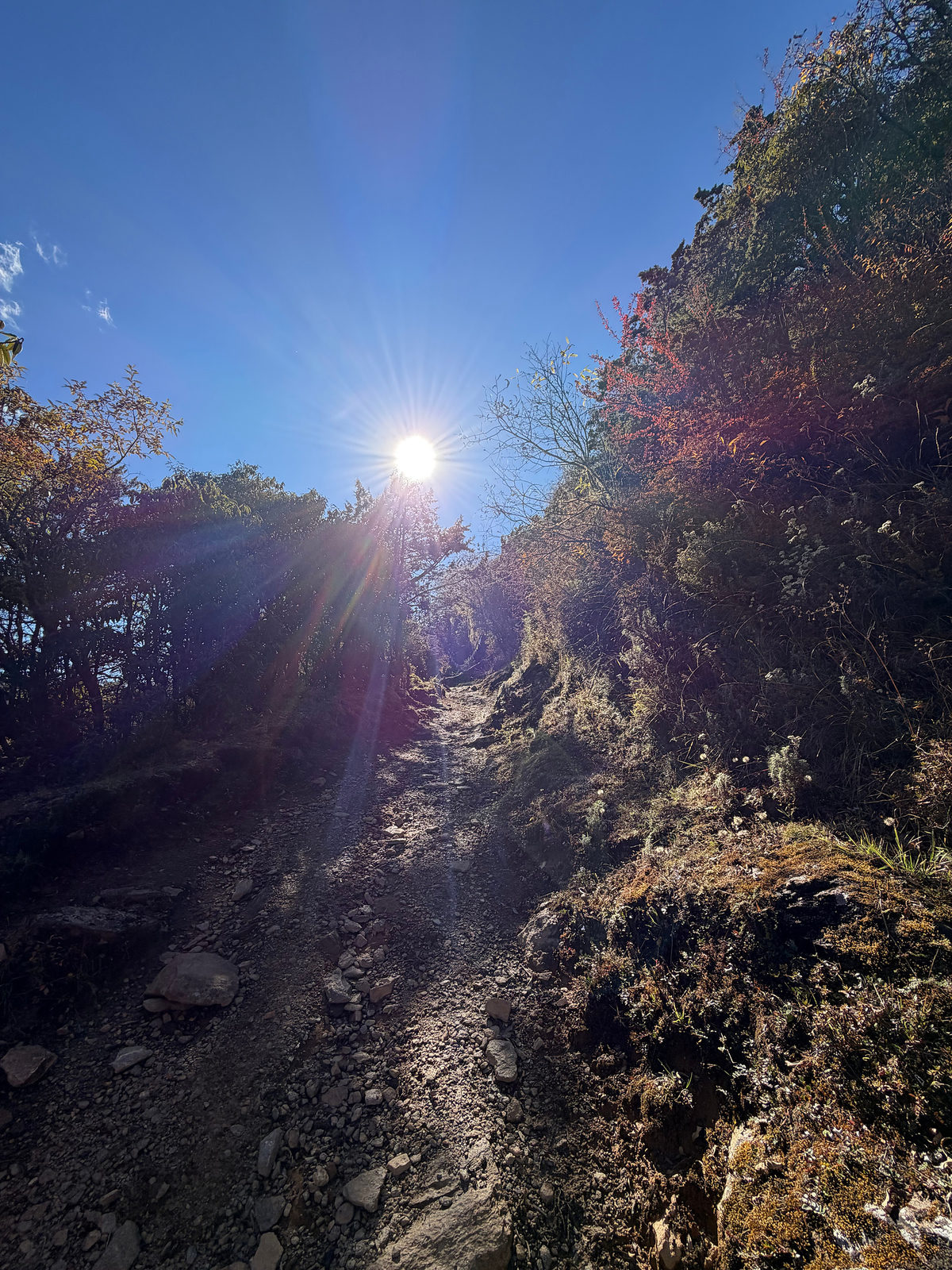
The trail to Phajoding begins just outside Thimphu, winding through dense pine forests and steep, narrow paths. Rated moderate to challenging, the hike typically takes 3–5 hours, depending on pace and acclimatization. The elevation gain is significant, and the high altitude can be felt quickly, breaths become heavier, steps become slower, and the forest grows quieter as you gradually leave the city far below.
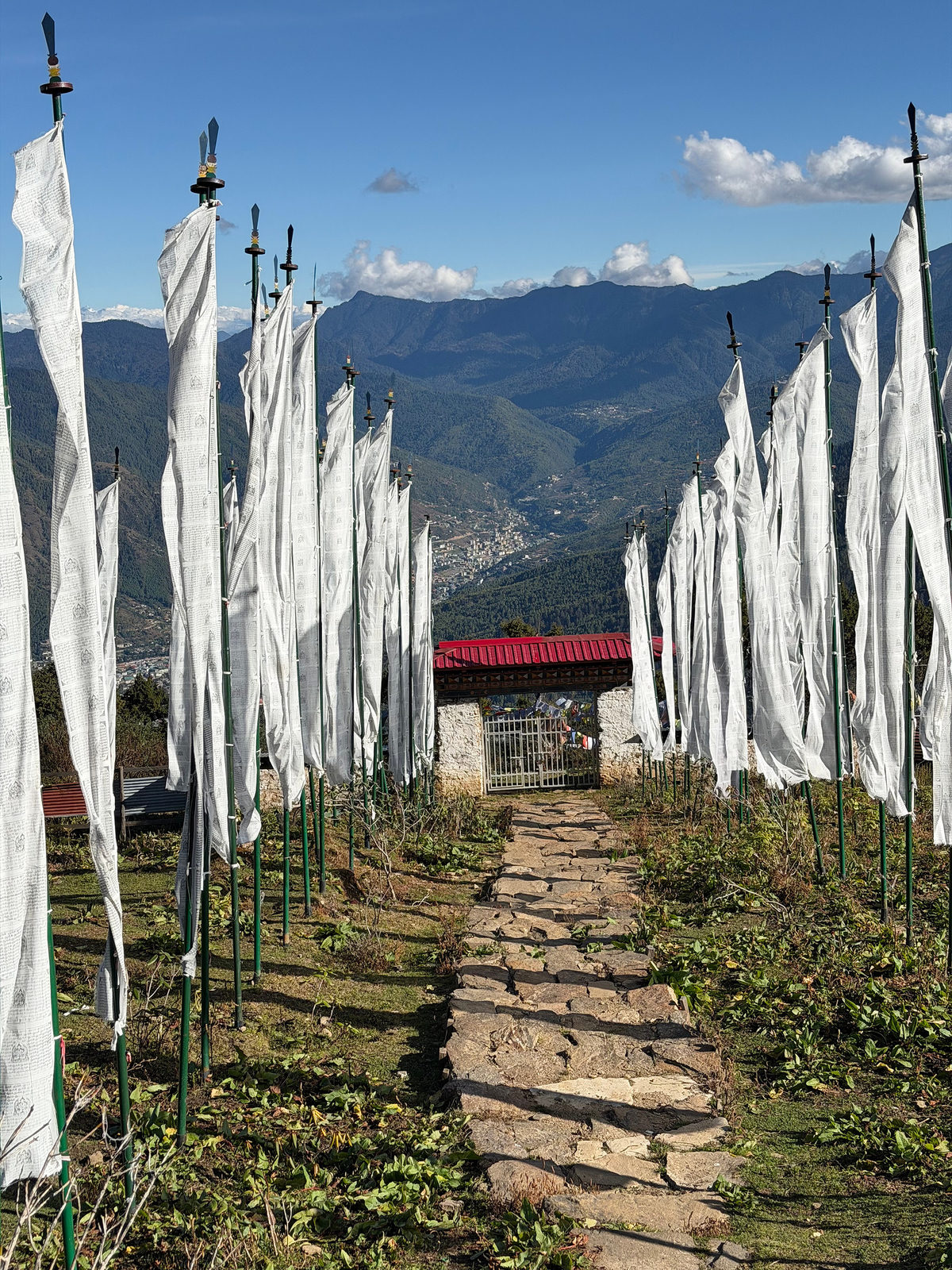
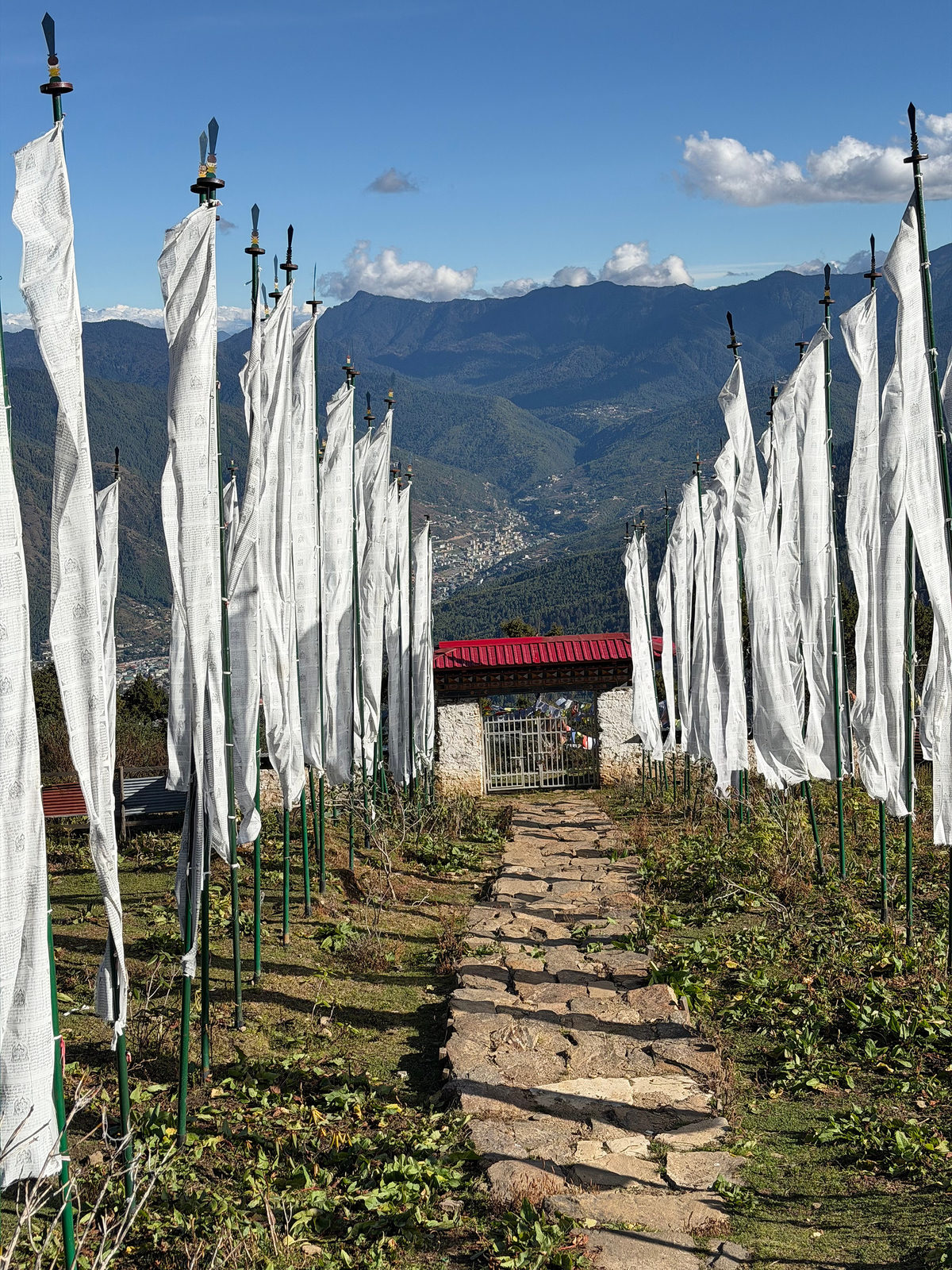
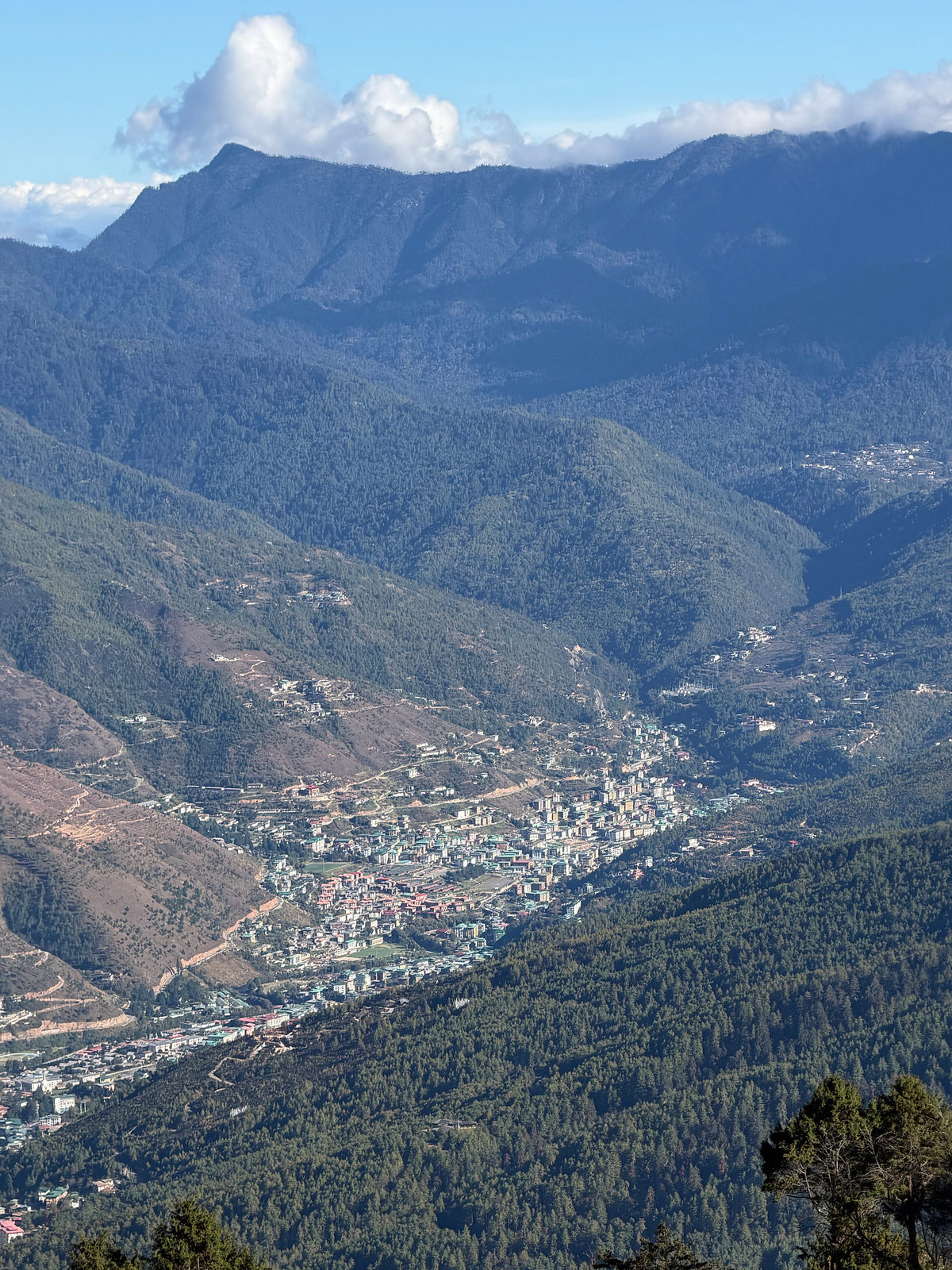
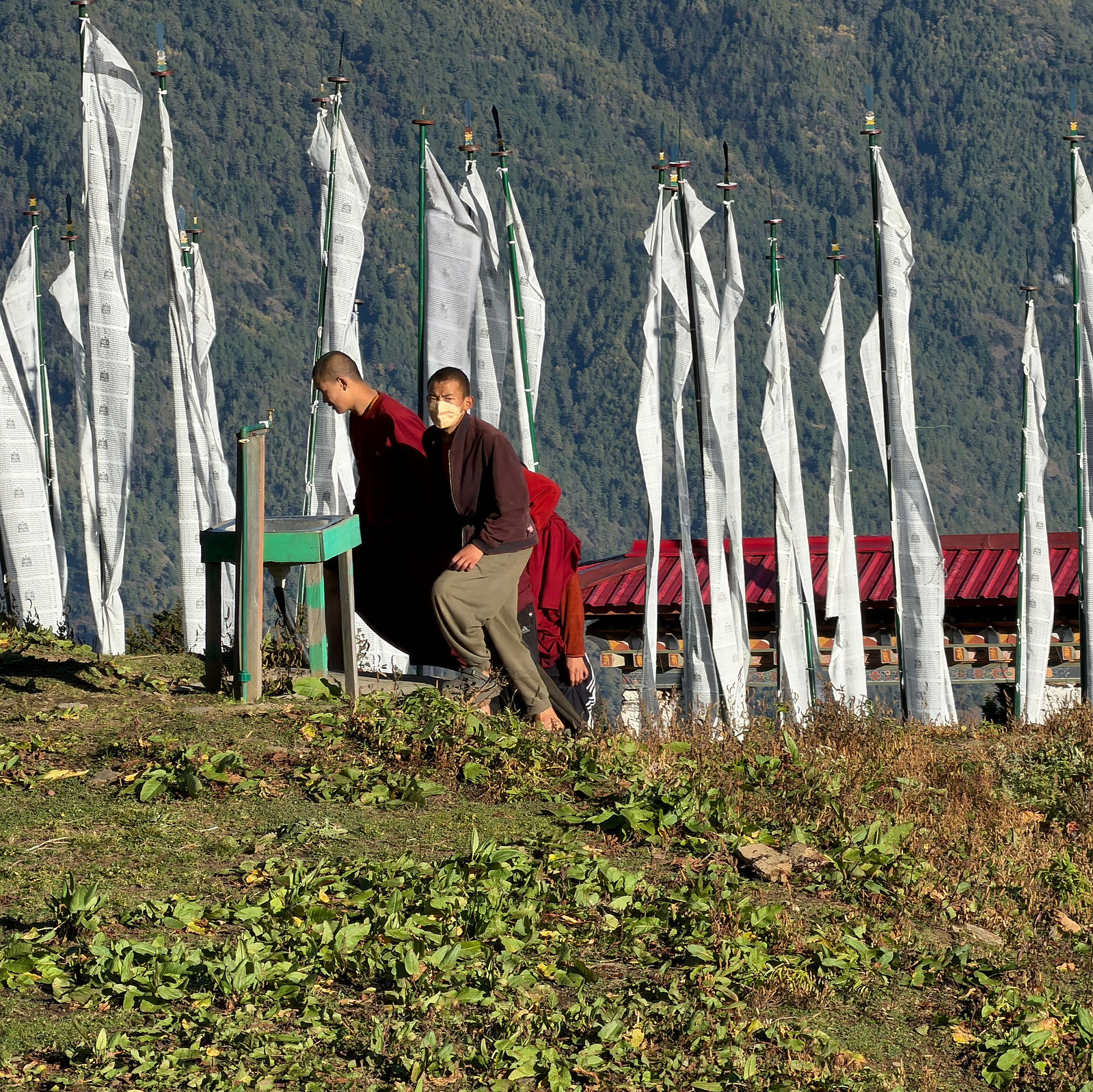
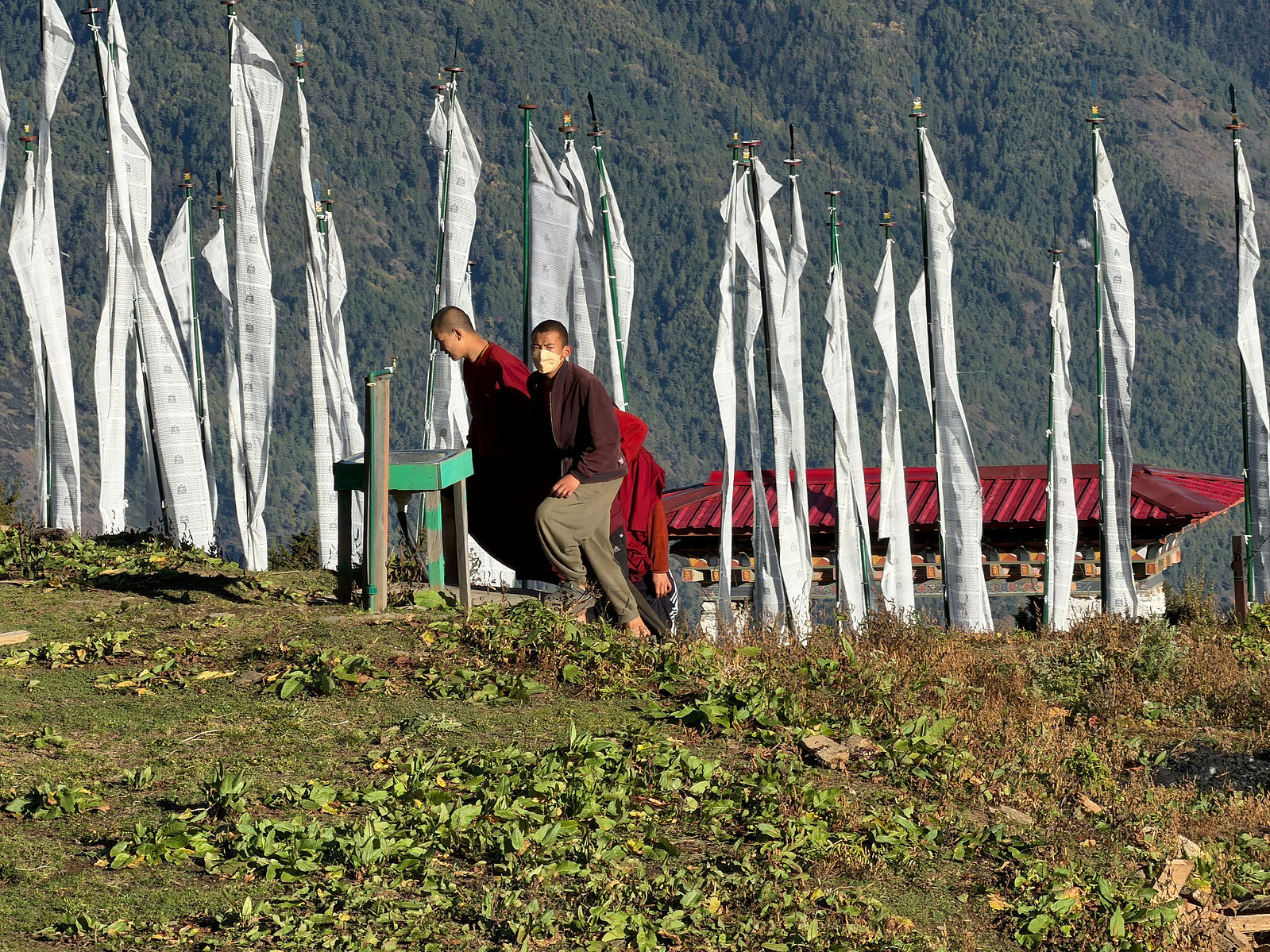
Yet the physical challenge is part of the experience. Each break in the trees reveals sweeping views of the Thimphu valley, prayer flags fluttering in the wind, and moments of stillness where nature speaks louder than words. It’s a trail that humbles you, grounding you in the present moment.
A Monastery of Deep Spirituality
Founded by the revered saint Phajo Drugom Zhigpo in the 13th century, Phajoding is one of Bhutan’s most sacred monastic sites. Monks here live a life of profound discipline and simplicity, dedicating their days to meditation, study, and spiritual service.
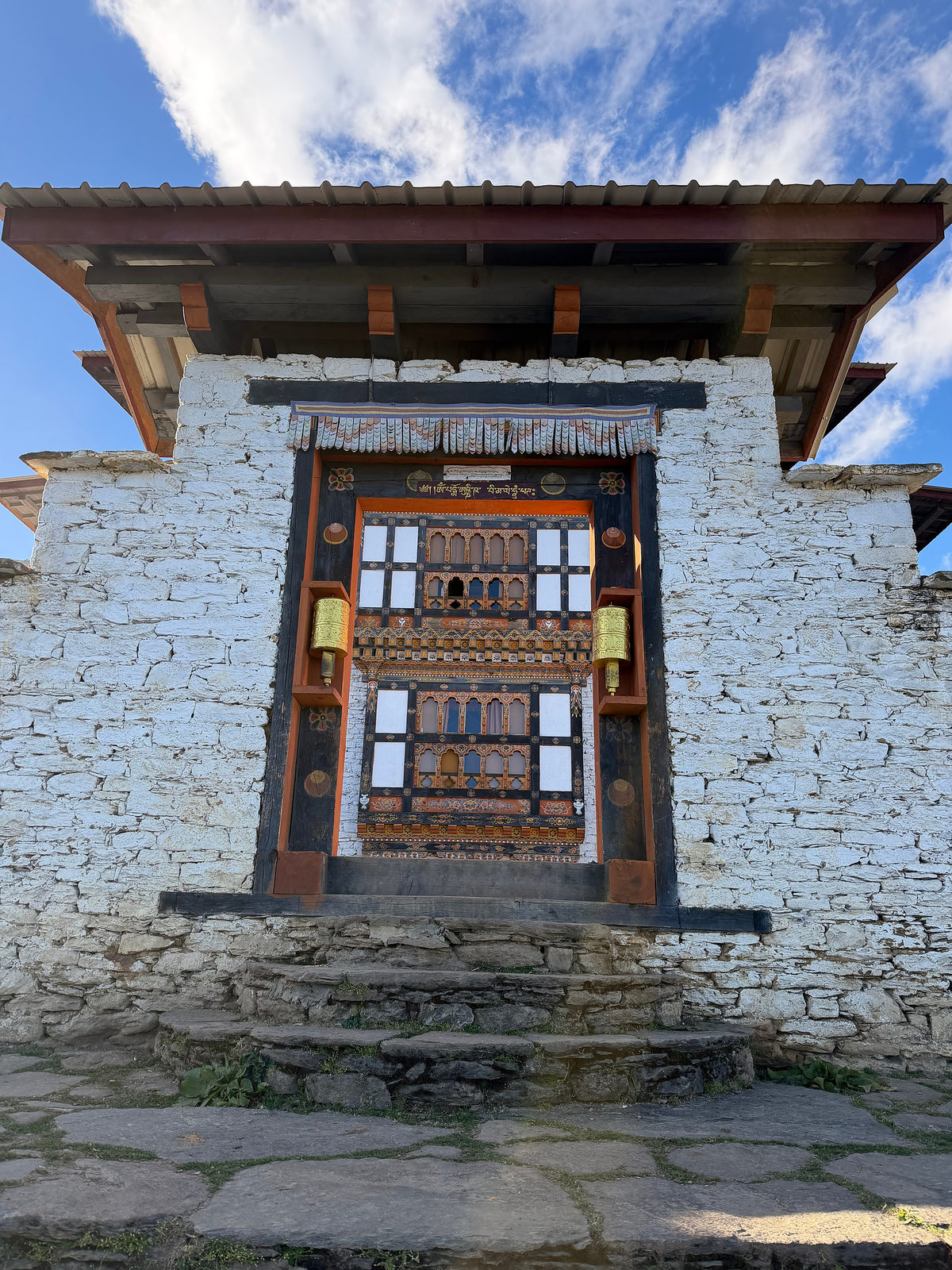
As you enter the monastery grounds, the atmosphere shifts immediately, the air feels lighter, the silence deeper. Ancient temples and meditation houses sit against a backdrop of soaring peaks, reminding visitors that spirituality in Bhutan is not confined to ritual; it is lived, breathed, and practiced in harmony with nature.
Many travelers describe a sense of inner peace the moment they arrive, not because of the altitude, but because the monastery embodies Bhutan’s timeless devotion to compassion and mindfulness.
Culture and Monastic Life
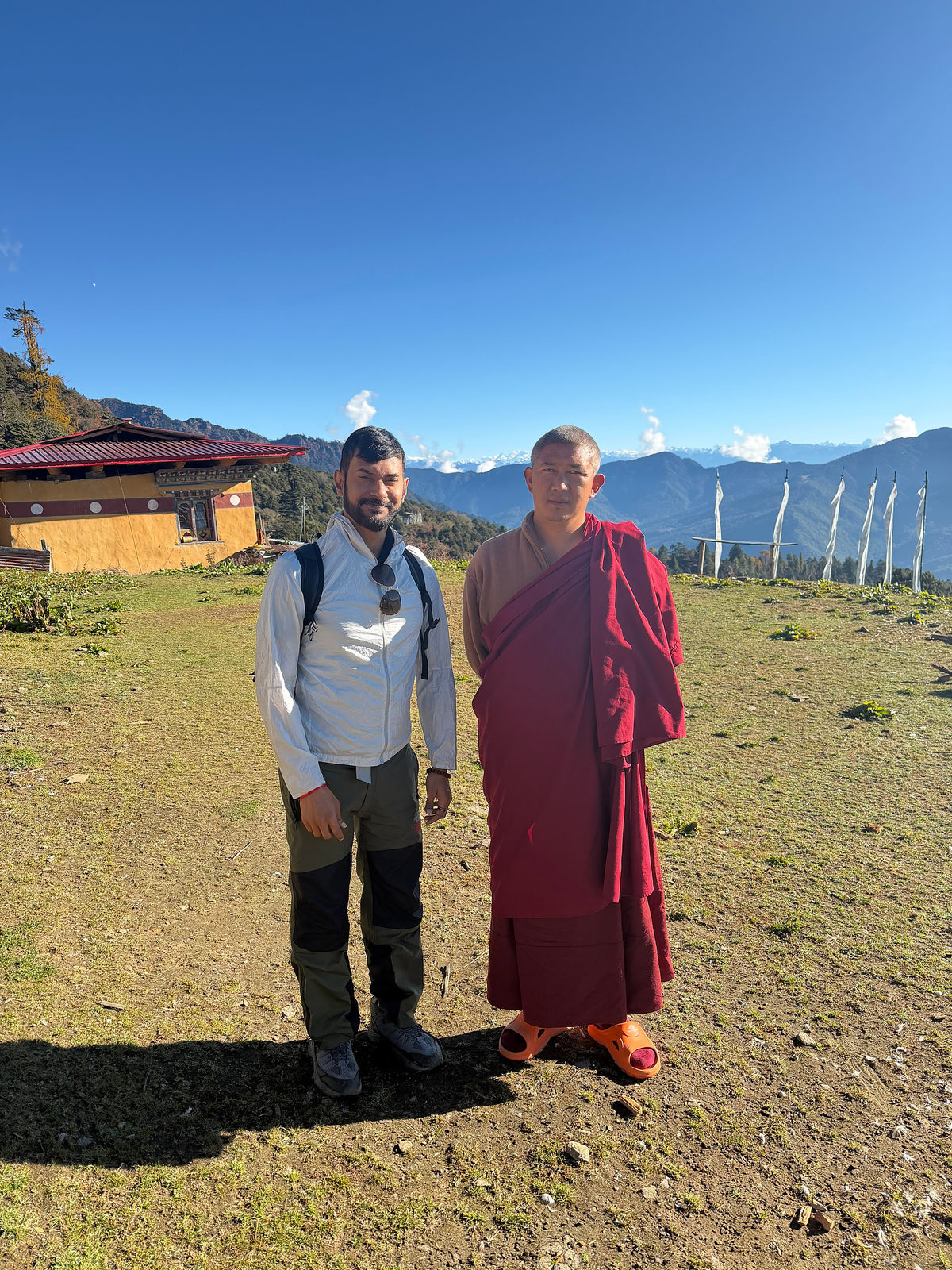
Phajoding is not just a place to visit; it is a place to learn. The monks who reside here, many of them young novices, follow a structured daily routine centered on chanting, scripture study, and mindful work. Their humility and generosity reflect the heart of Bhutanese culture: kindness without expectation.
Visitors often have the opportunity to observe monastic activities or speak with monks about their way of life. These exchanges offer insight into Bhutan’s spiritual heritage — one that values simplicity, gratitude, and deep connection to the natural world.
Nature at Its Purest
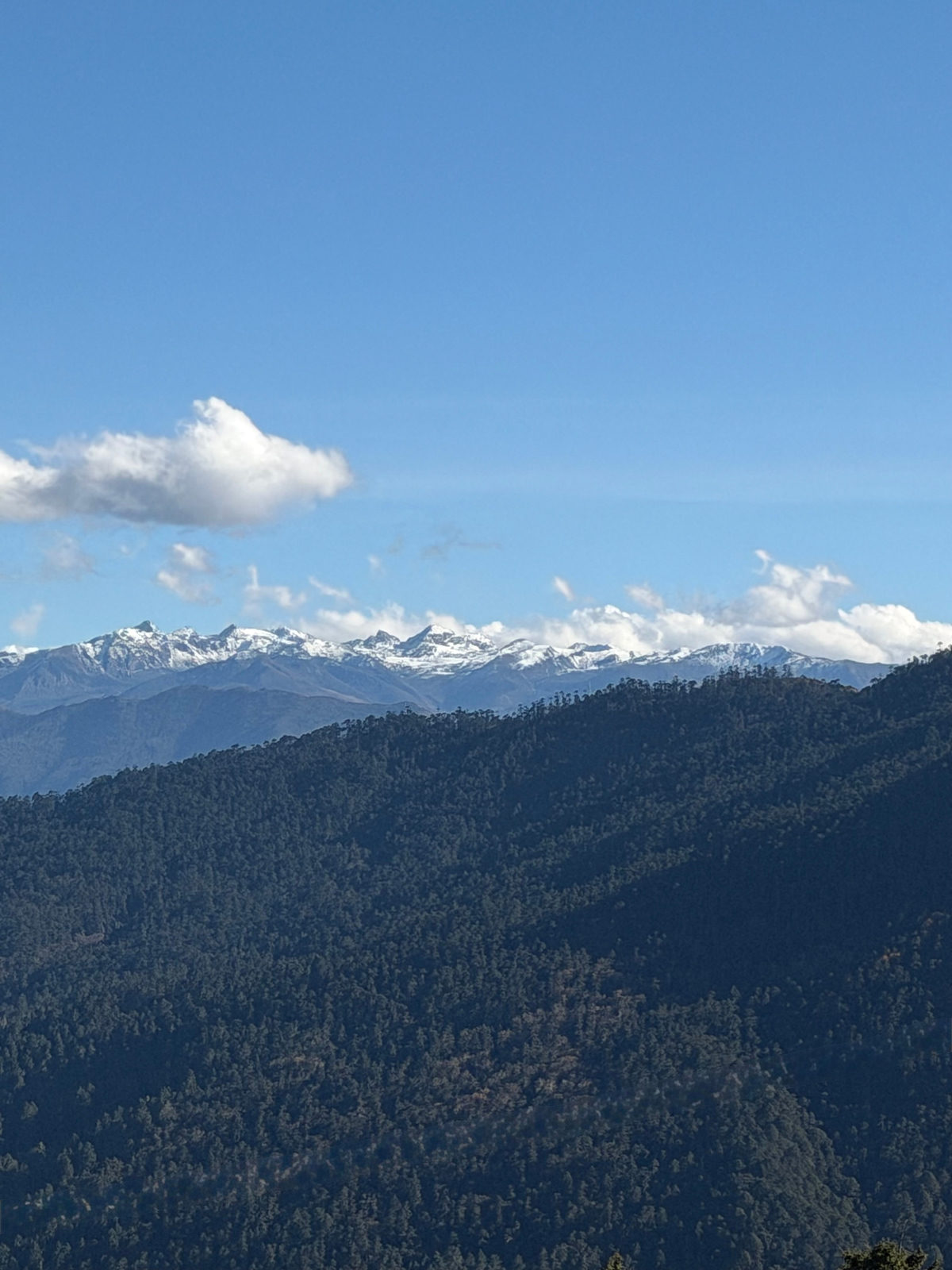
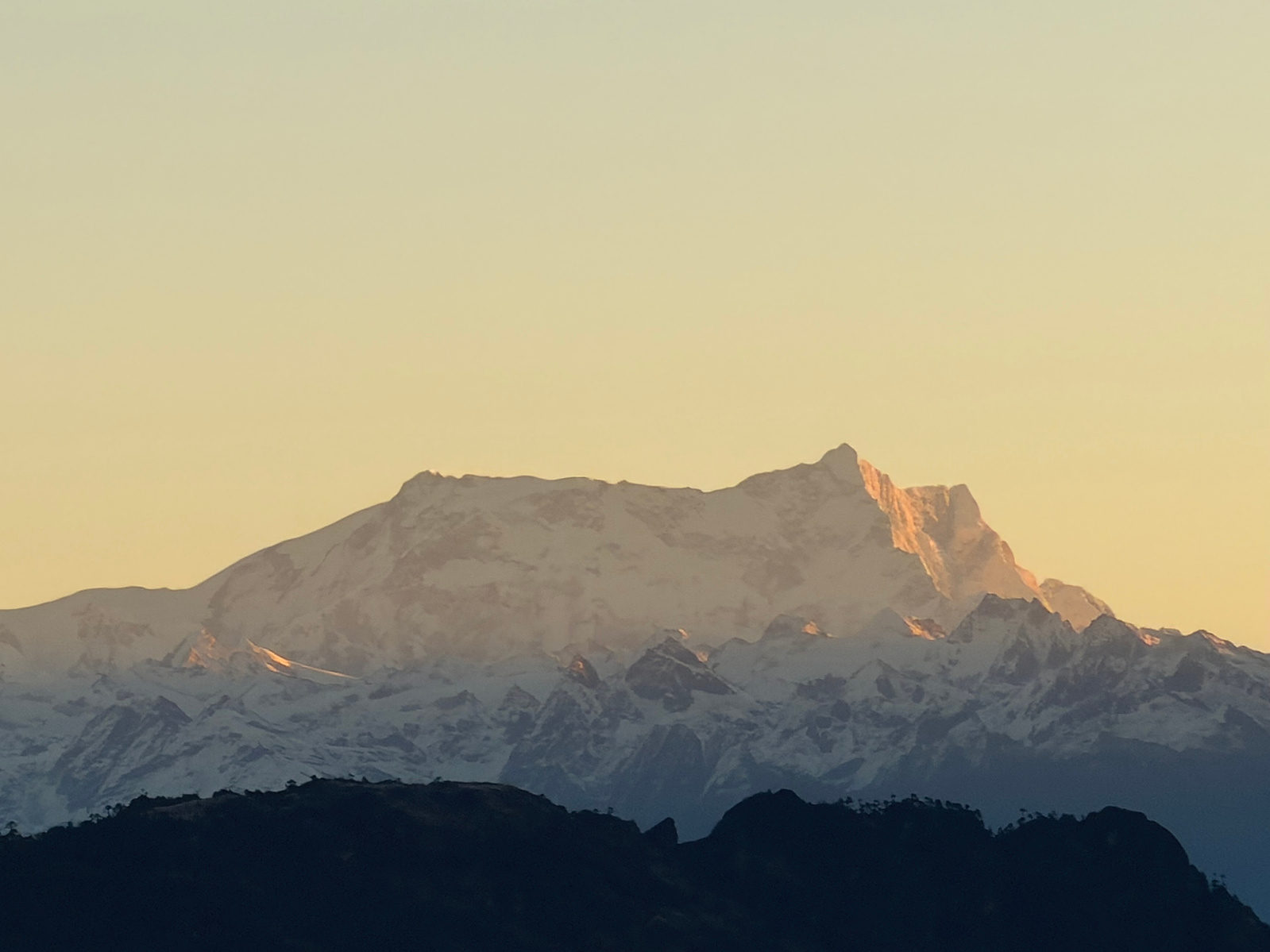
Because of its high altitude, Phajoding offers crisp, cold air and panoramic views that stretch across the Himalayas. Above the monastery are even higher meditation retreats, where monks spend months in solitude. For travelers, short hikes beyond the main buildings reveal quiet hilltops, grazing yaks, and an atmosphere untouched by time.
At sunrise or sunset, the monastery glows golden beneath swirling clouds, creating scenes that feel almost otherworldly.
Why Phajoding Leaves a Mark
Phajoding is not a tourist destination — it is a spiritual journey wrapped in wilderness and culture. The challenge of the climb, the serenity of the monastery, and the warmth of Bhutanese monastic life combine to create an experience that lingers long after you descend back to Thimphu.
Here, in the thin mountain air, you don’t just see Bhutan; you feel it.